

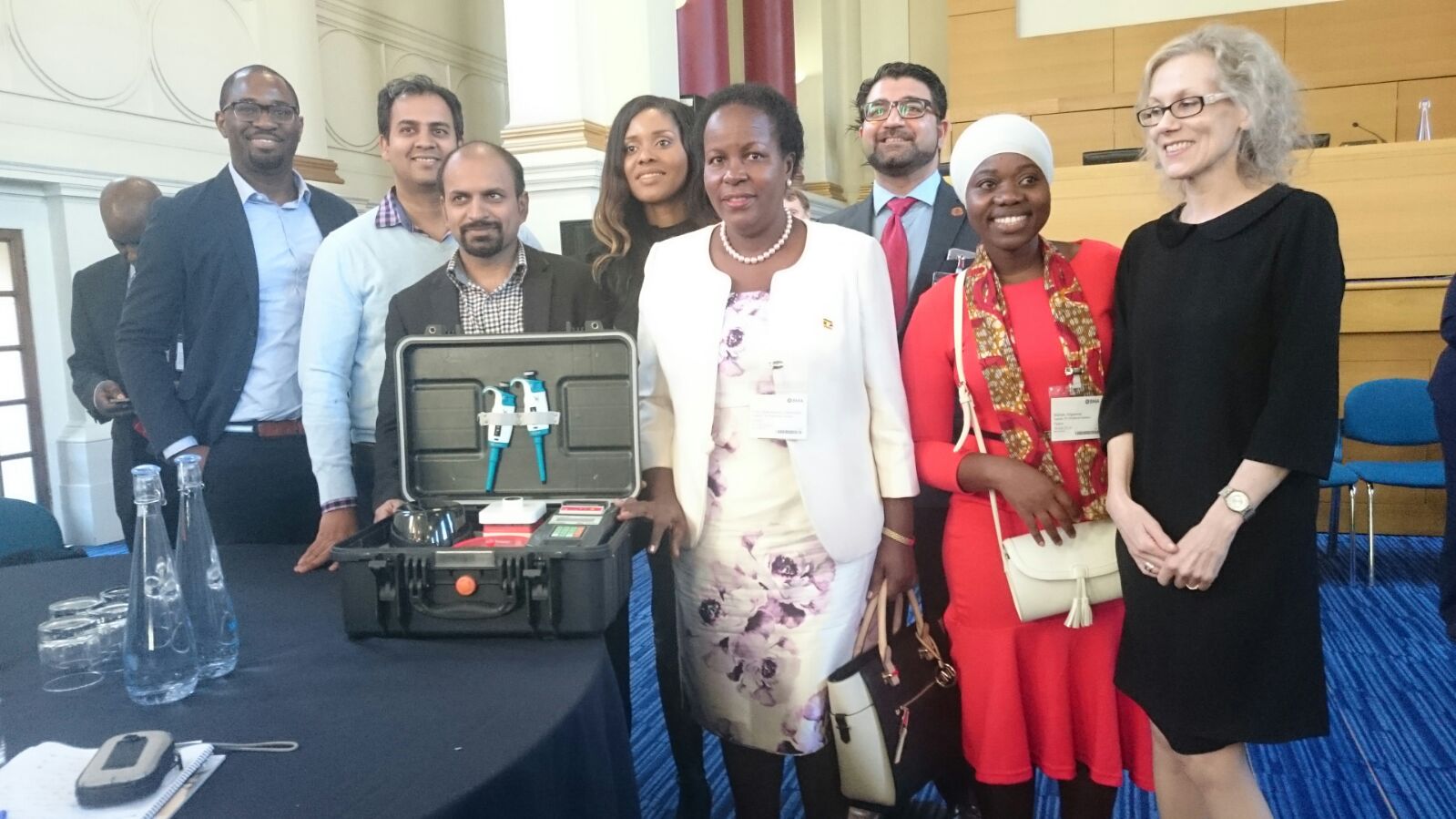
The wider significance of UK–Uganda Healthcare Summit lies in the relationships behind the activity. This UKABC activity formed part of the Council’s international and community-facing work. UKABC’s work is designed to connect people who can contribute knowledge, access, experience or practical support.
The Council’s role is therefore best understood through the quality of the conversations created and the follow-up those conversations make possible. For businesses and institutions, events in the Events programme provide a structured setting in which to understand priorities before making commitments. Participants can hear different perspectives, test assumptions and identify where a credible introduction may be useful.
This approach is especially important in international work, where local context, trust and clarity often determine whether an initial discussion develops into a sustainable relationship. The programme also contributes to UKABC’s public record. Documenting the people involved, the subjects discussed and the intended outcomes helps future partners understand the Council’s experience.
It gives search engines and readers a clearer account of the organisation’s work while preserving the history of relationships that may continue across several years or projects. UKABC approaches relationship-building as a practical responsibility rather than a ceremonial exercise.
The objective is to help organisations move from interest to informed action: understanding the opportunity, meeting relevant people and agreeing a realistic next step. That principle is reflected in the way the Council combines business discussion with direct introductions, clear context and continuing engagement. For prospective participants, the value of UK–Uganda Healthcare Summit is not limited to attendance on the day.
The lasting opportunity comes from the insight gained, the credibility of the connections made and the possibility of future collaboration. UKABC continues to develop this work through roundtables, business events, international partnerships, community initiatives and carefully selected recognition programmes. This Story is presented as a self-contained account within the new UKABC website.
It records the activity in clear language, provides context for readers unfamiliar with the original event and explains why the subject remains relevant to UKABC’s wider mission of connecting business, institutions and communities across borders. From an editorial perspective, this record is intended to explain the activity to readers who were not present.
It places the names, organisations and subject in context and avoids relying on an external source page. That makes the archive more useful to business researchers, prospective partners, community stakeholders and people discovering UKABC through search. The story also illustrates the range of settings in which UKABC operates.
Some relationships begin through formal roundtables, others through sector events, parliamentary programmes, international delegations or community activity. In each case, the Council seeks to understand the objective first and then bring relevant people into a conversation that has a realistic prospect of continuing. Good international engagement requires careful language about roles and outcomes.
This account records UKABC’s contribution without overstating ownership of work delivered by partners. That distinction is important: credible collaboration depends on recognising the expertise and responsibility of every participating organisation while explaining how the relationship was supported.
For readers evaluating UKABC, UK–Uganda Healthcare Summit provides one example of how the Council combines convening power with practical relationship management. The emphasis is on access, context and continuity. A successful introduction should help both sides understand whether there is a genuine fit and what information, meeting or decision is needed next.
Related Events

International Business Connections & Creative Industries Dinner
A UKABC dinner connecting international business relationships and market opportunities with media, sport, film, art and the creative economy.
Read Story →
Canvas For Care: Rising Bharat
Canvas For Care will support a British Parliament programme celebrating UK–India relations and recognising people and organisations contributing to shared progress.
Read Story →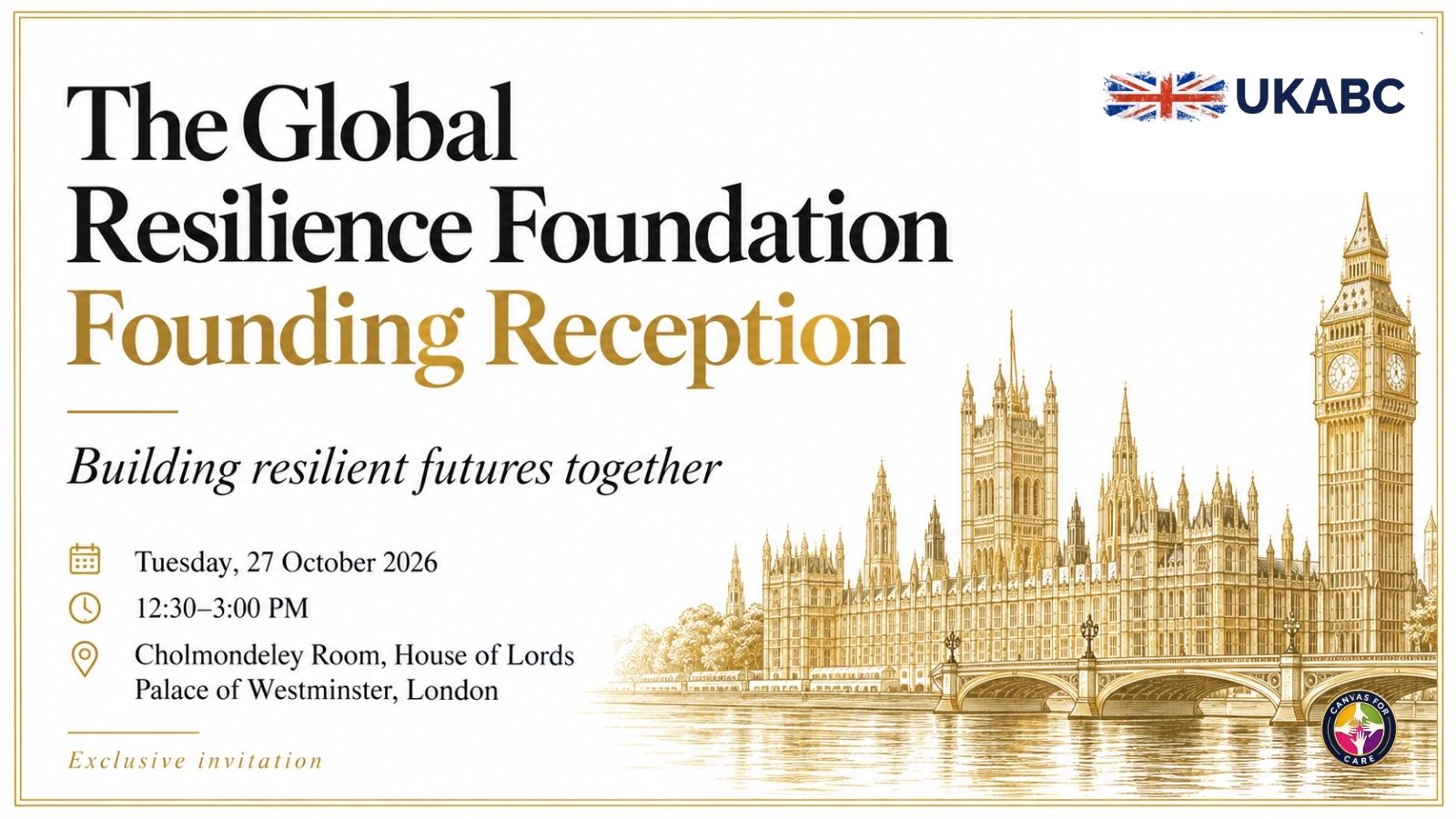
The Global Resilience Foundation — Founding Reception
An exclusive invitation to connect with TGRF’s vision and explore partnerships for healthier, more resilient communities across Africa.
Read Story →