

UK–India FTA: Opportunities Across Key Sectors
UKABC contributed to a cross-sector discussion on how the UK–India FTA can support education, space technology, sustainability, travel, sport and culture.

At St James Garlickhythe in the City of London, UKABC President Taha Coburn-Kutay shared perspectives on the commercial and institutional opportunities surrounding the UK–India Free Trade Agreement. The event brought together organisations working across education, space technology, battery recycling, tourism, travel, sport and investment.
Education is a major part of the developing relationship, with UK universities exploring campuses and deeper academic cooperation in India. Space technology offers another high-value area, with innovative Indian companies creating opportunities for joint missions, research and commercial partnerships. Sustainability was represented through battery recycling and the need for credible circular-economy models.
Travel links, including additional direct routes between Indian and UK cities, can make business, education and tourism relationships easier to develop. Sport and culture also contribute to the connection through cricket, women’s sport and new sporting formats. UKABC thanked the IoD International Trade Group and the Department for Business and Trade for including the Council in the gathering.
UKABC’s role in this work is to connect people who can turn broad international ambition into practical conversations. That means helping businesses understand the institutional landscape, introducing relevant expertise and keeping discussions focused on realistic next steps. The Council’s approach is based on long-term relationships rather than one-off visibility.
For companies considering cross-border activity, the value of these discussions lies in context. Market opportunity is shaped by regulation, local networks, sector knowledge, finance, talent and the ability to identify credible partners. A useful introduction can shorten that learning process, but it must be supported by preparation and follow-up.
UKABC therefore encourages businesses to be clear about their objectives, evidence and capacity before entering a new market. The wider significance is the growing range of UK–international collaboration. Education, technology, sustainability, sport, tourism, healthcare, culture and investment increasingly overlap.
A conversation that begins in one sector can reveal opportunities in another, particularly when public institutions, universities, entrepreneurs and established businesses share perspectives.
Sudeep Sakalle, Vice President of UKABC, said: “International relationships become valuable when they move from general goodwill to a clear introduction, a practical opportunity and responsible follow-up.” The comment reflects UKABC’s emphasis on building an organised record of activity while ensuring that public reporting remains accurate and useful.
UKABC will continue to use roundtables, meetings and focused events to help organisations understand opportunities and meet relevant people. Businesses interested in these areas are encouraged to approach the Council with a concise explanation of their objectives, target market and the type of relationship or support they need. The next stage is not simply to increase the number of meetings, but to improve their quality.
Clear agendas, relevant participants and honest expectations help avoid ceremonial activity without an outcome. UKABC’s public Stories archive supports that objective by recording why an engagement mattered, who or what it connected and how the subject fits within a longer programme of international relationship-building. It also gives businesses and institutions a useful starting point before approaching the Council.
Each opportunity will require its own commercial, legal and operational assessment; the Council’s role is to help create informed connections, not to replace professional due diligence. This disciplined approach is particularly important when collaboration crosses jurisdictions, sectors and cultures.
It enables partners to build confidence gradually, test assumptions and decide whether a conversation should progress into a delegation, investment discussion, institutional partnership or another focused programme.
Related Stories
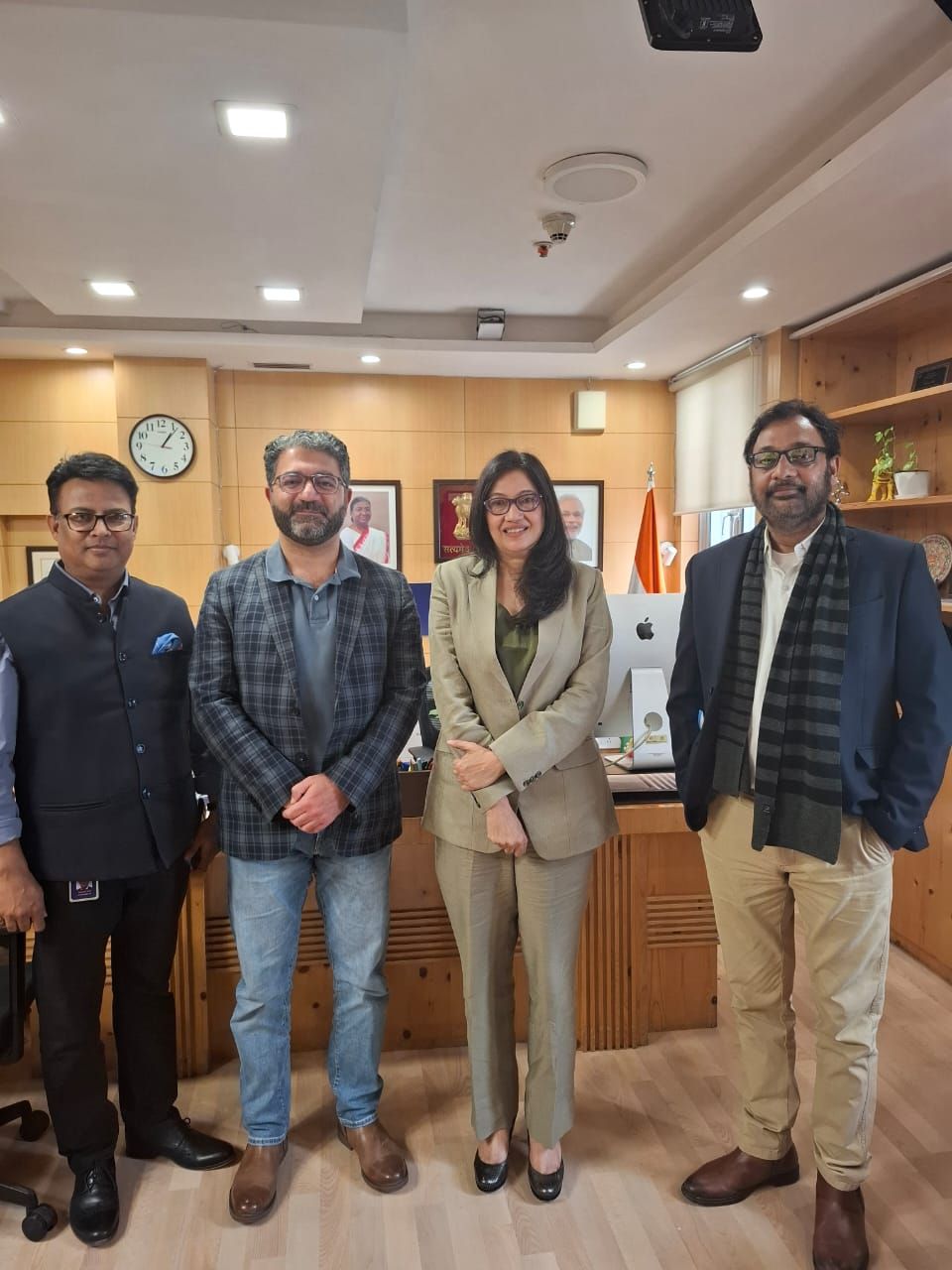
UKABC and Invest India Build New Connections
A meeting with Invest India explored sector opportunities, business introductions and practical support for companies entering India and the UK.
Read Story → UKABC and Invest India Build New Connections
A meeting with Invest India explored sector opportunities, business introductions and practical support for companies entering India and the UK.
Read Story →